Why Choose UK Flag Registration for Your Vessel?
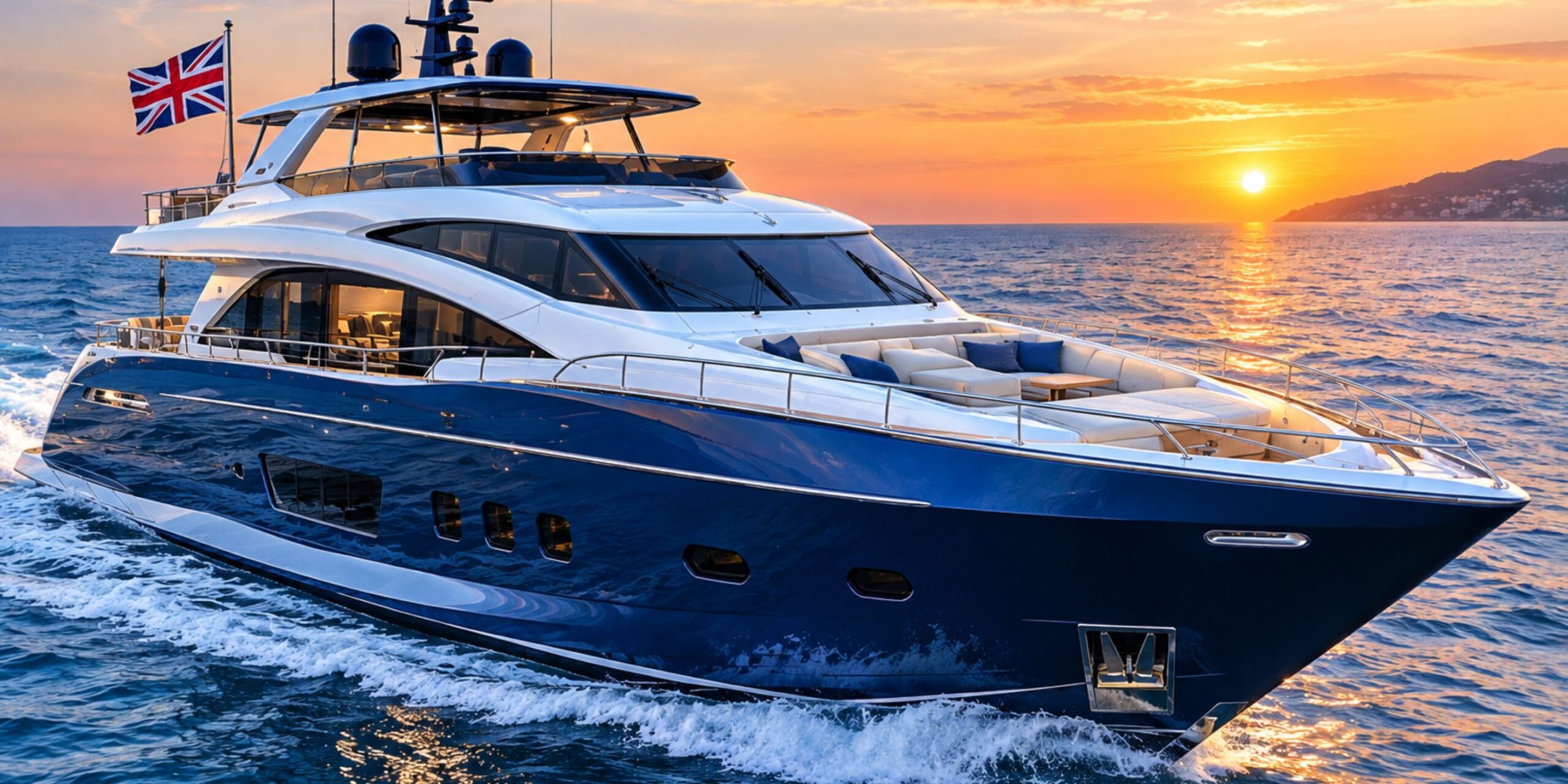
Selecting the right flag state dictates your vessel’s legal standing, tax exposure, and operational freedom on international waters. The British Red Ensign carries centuries of maritime prestige, guaranteeing high standards of safety and diplomatic support. International maritime authorities recognize British-flagged vessels instantly across global ports, making port state control inspections efficient and straightforward.
Unmatched International Prestige and Diplomatic Support
Vessel owners flying the Red Ensign access the full backing of British consular services and the Royal Navy worldwide. This international protection ensures security when sailing through complex or high-risk maritime passages. Furthermore, foreign port state control authorities respect UK-flagged vessels due to the Maritime and Coastguard Agency’s stringent compliance standards. This reputation leads to smoother customs clearances, reduced operational delays, and fewer arbitrary port inspections compared to flags of convenience.
Flexible Ownership Structures for Global Citizens
The UK Ship Register permits broad ownership eligibility without imposing restrictive nationality barriers on non-residents. Qualified individuals do not always need direct UK residency to secure a registration. Non-UK residents can easily register vessels by establishing a UK Limited Company (LTD) or using qualified corporate entities from approved jurisdictions (such as the EU, EEA, British Overseas Territories, or Commonwealth nations). This legal flexibility allows international yacht owners to maintain absolute ownership control while enjoying British registration benefits.
Financial and Commercial Advantages
A UK registration significantly boosts the resale value and marketability of any motor yacht or sailing vessel. Financial institutions and marine mortgage providers strongly prefer British registration because the Part 1 UK Register legally records mortgages and protects lender interests. A clean title registered with the UKSR gives future buyers and financial lenders total confidence regarding clear ownership and encumbrance-free status.
Key Benefits at a Glance
Navigating the legalities of boat ownership becomes much easier when flying a reputable flag. Below are the primary operational and structural benefits that make the UK registry the top choice for vessel owners:
- Global Consular Protection: Access British embassy and naval support across international waters and foreign ports.
- Mortgage Security: Record legal marine mortgages on the official public register to secure bank financing.
- High Resale Credibility: Enhance vessel market value with transparent ownership records verified by the MCA.
- Flexible Corporate Ownership: Qualify easily by holding vessel ownership through a standard UK Limited Company.
- No Tax on Foreign Earnings: Enjoy straightforward tax administration with no direct UK vessel tax for non-resident owners operating outside UK territorial waters.
 Understanding the UK Ship Register Structure (Part 1 vs. Part 3 SSR)
The UK Maritime and Coastguard Agency divides the UK Ship Register into separate sections based on vessel size, usage, and ownership goals. Choosing the correct registry part remains critical for legal compliance and operational authorization.
The register operates under two primary categories for pleasure craft and yachts. Part 1 serves as the full registry providing proof of title and mortgage support for owners globally, whereas Part 3 (Small Ships Register) serves as a simplified, low-cost national register exclusively for UK residents operating smaller vessels.
Direct Comparison: Part 1 vs. Part 3 (SSR)
Feature / Criteria | Part 1 Registration | Part 3 (Small Ships Register – SSR) |
Primary Purpose | Full legal title, commercial use, & mortgage recording | Basic proof of nationality for pleasure craft |
Owner Eligibility | UK/EU citizens, corporate bodies (UK LTD), approved foreign nationals | UK residents only (physically resident 184+ days/year) |
Vessel Length Limit | Any length (Under or Over 24 meters) | Restricted to vessels under 24 meters (79 feet) |
Proof of Ownership | Official legal Title Certificate issued | Certificate of Registry (Does NOT act as legal title) |
Marine Mortgages | Supported and officially recorded on register | Not supported |
Tonnage Survey | Mandatory by an approved surveyor | Not required |
Validity Period | 5 Years (Renewable) | 5 Years (Renewable) |
Part 1 Registration: Full Legal Title and Mortgage Registry
Part 1 represents the gold standard of British vessel registration. It caters to both private pleasure craft and commercial yachts of any length, offering unrestricted international navigation. It provides official, undisputed proof of vessel ownership recognized by international courts and allows financial institutions to register legal marine mortgages against the hull structure. Furthermore, non-UK residents can flag their yachts seamlessly by holding ownership through a UK corporate entity.
Part 3 Registration: Small Ships Register (SSR)
Part 3 offers a simple, low-cost alternative exclusively for British residents owning small pleasure vessels used for personal recreational sailing. This category is restricted strictly to personal pleasure craft under 24 meters (79 feet) in overall length and requires the individual owner to reside physically in the UK for at least 184 days per calendar year. It does not register legal mortgages or provide official proof of ownership title, serving primarily as proof of nationality for basic international coastal cruising.
Essential Eligibility and Documentation Requirements
Preparing your paperwork in advance streamlines the application process with the UKSR team. The Registrar requires precise legal documentation to establish ownership chains and technical compliance before issuing registry papers.
To register a yacht on the Part 1 UK Register, applicants must submit official documents confirming their legal identity and clear title to the vessel. This includes an official Bill of Sale (MSF 4705) showing the legal transfer of ownership over a 5-year chain, a Builder’s Certificate for new builds, a Certificate of Incorporation if registered under a UK Limited company, and a formal Declaration of Eligibility (MSF 4727).
Before issuing a Certificate of Registry, the MCA also mandates structural verification and safety compliance. An authorized classification society surveyor (such as Lloyd’s Register, RYA, or YBDSA) must inspect the vessel to issue an official Tonnage Survey Certificate. Additionally, operators must secure an Official Ship Radio License from Ofcom for assigned MMSI numbers and callsigns, while commercial charter vessels must pass coding inspections under the MGN 280 standard.
Step-by-Step UK Yacht Registration Process
Executing the registration procedure systematically ensures fast turnaround times from the MCA. Follow these structured steps to complete your registration without paperwork delays:
- Select the Registration Category: Assess your residency status, vessel length, and commercial goals. Select Part 1 if you require mortgage recording, plan commercial operations, or reside outside the UK.
- Form a UK Corporate Entity (If Applicable): Non-UK residents seeking Part 1 status must incorporate a UK Limited Company (LTD) to act as the vessel’s registered owner. This entity satisfies all MCA nationality rules.
- Commission a Professional Tonnage Survey: Hire an approved surveyor from recognized bodies like the Royal Yachting Association (RYA) or YBDSA to measure the vessel’s length, breadth, and gross tonnage.
- Submit Documentation to the UK Ship Register: Submit completed application forms, Bills of Sale, Builder’s Certificates, Company Incorporation files, and the Tonnage Survey to the MCA online portal.
- Carve and Mark the Vessel: Upon initial paper approval, the Registrar issues a Carving and Marking Note. Permanently mark the assigned Official Number, Registered Tonnage, and Port of Choice on the vessel’s hull or main beam.
- Receive Official Certificate of Registry: Return the signed Carving and Marking Note to the Registrar. The UKSR then issues the official British Blue Book Certificate of Registry, valid for 5 years.
Technical Standards, Radio Licensing, and Maritime Safety
Maintaining high safety and operational compliance keeps your UK registration active and protects your crew on international voyages.
Ofcom Radio Operator Licensing and MMSI Setup
Every vessel carrying transmitting equipment must maintain a valid Ship Radio License issued by Ofcom (the UK telecommunications regulator). This license assigns your unique 9-digit MMSI number, Callsign, and Call Sign Identification to enable modern digital radio communications. Skippers must also hold a Short Range Certificate (SRC) or Long Range Certificate (LRC) to operate VHF, MF, and HF frequencies legally. In emergency situations, the MMSI links directly to international search and rescue databases, allowing coastguards to identify your boat, owner details, and emergency contacts instantly.
Safety Equipment and STCW Standards
Vessels registered under the UK flag must meet international safety regulations outlined by SOLAS (Safety of Life at Sea) and MARPOL (Marine Pollution Prevention) where applicable. For smaller vessels under 24 meters, adherence to MCA safety equipment checklists ensures that life rafts, EPIRBs, pyrotechnics, and fire suppression systems meet British maritime standards. Crew members operating commercial yachts must also hold valid STCW (Standards of Training, Certification and Watchkeeping) qualifications to ensure vessel safety at sea.
EU VAT, Customs, and UK Import Considerations
Registering a vessel under the British flag does not automatically confer VAT-paid status within the European Union or the United Kingdom. Yacht owners moving vessels between UK waters, EU waters, and international territories must manage customs rules carefully to avoid unexpected tax assessments.
Navigating EU Waters under Temporary Admission
Non-EU flagged or non-EU owned private yachts can sail in EU territorial waters for up to 18 consecutive months without incurring EU VAT under the Temporary Admission customs procedure. To maintain this status, the vessel must belong to a person or corporate entity established outside the EU customs territory, remain strictly for private recreational use, and depart EU territorial waters before the 18-month period expires to reset the temporary clock.
Returned Goods Relief (RGR) for UK Waters
Vessels returning to UK territorial waters may qualify for Returned Goods Relief (RGR) if they previously held UK VAT-paid status and meet specific customs criteria. The vessel must return to the UK under the same ownership that exported it and return within three years without undergoing major modifications abroad that increase its value. Keeping detailed invoice records, VAT receipts, and logbook entries protects owners from paying duplicate VAT charges when re-entering British waters.
Practical Checklist for Vessel Owners
To avoid administrative friction during your UK yacht registration, ensure you have ticked off every essential requirement on this quick checklist:
- Verify Ownership Chain: Confirm you possess clear Bills of Sale covering at least 5 continuous years of title history.
- Establish Corporate Structure: Setup your UK LTD if you reside outside an eligible British/EU jurisdiction.
- Book Authorized Surveyor: Schedule your Tonnage and Measurement Survey with an MCA-approved surveyor early.
- Apply for Ofcom License: Secure your MMSI number and Callsign before installing marine electronics.
- Complete Carving and Marking: Affix your Official Number and Registered Port to the hull immediately upon receiving the note.
Frequently Asked Questions (FAQs)
Can a non-UK resident register a yacht in the UK?
Yes. Non-UK residents can easily qualify for Part 1 UK Yacht Registration by forming a UK Limited Company (LTD) to hold legal ownership of the vessel. The UK company acts as the registered owner, meeting all statutory eligibility criteria established by the Maritime and Coastguard Agency.
How long does a UK Yacht Registration remain valid?
A UK Part 1 Certificate of Registry remains valid for 5 years. Owners can renew their registration online within 3 months prior to the expiration date by submitting a simple renewal form and paying the standard renewal fee to the UK Ship Register.
What is the difference between an MMSI number and a Callsign?
An MMSI (Maritime Mobile Service Identity) is a unique 9-digit number programmed into automated emergency communications equipment like DSC VHF radios, AIS transponders, and EPIRBs. A Callsign is an alphanumeric identifier used during routine voice transmissions over maritime radio channels. Ofcom issues both identifiers together under the UK Ship Radio License.
Is a physical inspection always required for UK registration?
For Part 3 (SSR), no physical inspection is required. For Part 1 Registration, an authorized classification society surveyor must perform a physical Tonnage and Measurement Survey to measure the vessel’s dimensions and gross tonnage before the MCA issues the final Certificate of Registry.
Can I use my UK-registered yacht for commercial charters?
Yes, but you must register the vessel under Part 1 and comply with the MCA Small Commercial Vessel Code (such as MGN 280). Commercial yachts must pass mandatory safety coding inspections, carry certified safety equipment, and employ qualified crew members holding valid STCW certificates.