What Is an MMSI Number and How Does It Work
An MMSI is a unique nine-digit identifier that maritime authorities assign to a vessel for use within radio communication systems. When your boat transmits a signal, this number identifies it instantly to coastguards, rescue coordination centres, and nearby vessels, which makes communication faster and more reliable.
Several pieces of onboard equipment depend on this registration to function correctly. VHF radios with Digital Selective Calling (DSC) use the MMSI to send automated alerts, AIS transponders rely on it for vessel tracking, and EPIRBs together with other emergency locator beacons carry it for identification during a rescue. Because the MMSI framework follows internationally recognised standards, a properly registered number supports communication both in home waters and abroad, once the vessel appears in the international MMSI database.
Why the MMSI Number Matters for Safety
Fast, accurate vessel identification becomes critical during an emergency. A registered MMSI lets a DSC-equipped radio send an automated distress alert containing the vessel’s identity and position directly to search-and-rescue authorities, cutting down the time needed to coordinate a response.
Beyond emergencies, the MMSI also supports everyday ship-to-ship and ship-to-shore calling through DSC, reducing miscommunication between vessels and maritime authorities. For this reason, recreational sailors, long-distance cruisers, and commercial operators alike should register before relying on modern marine radio equipment.
The UK MMSI Radio Licence Explained
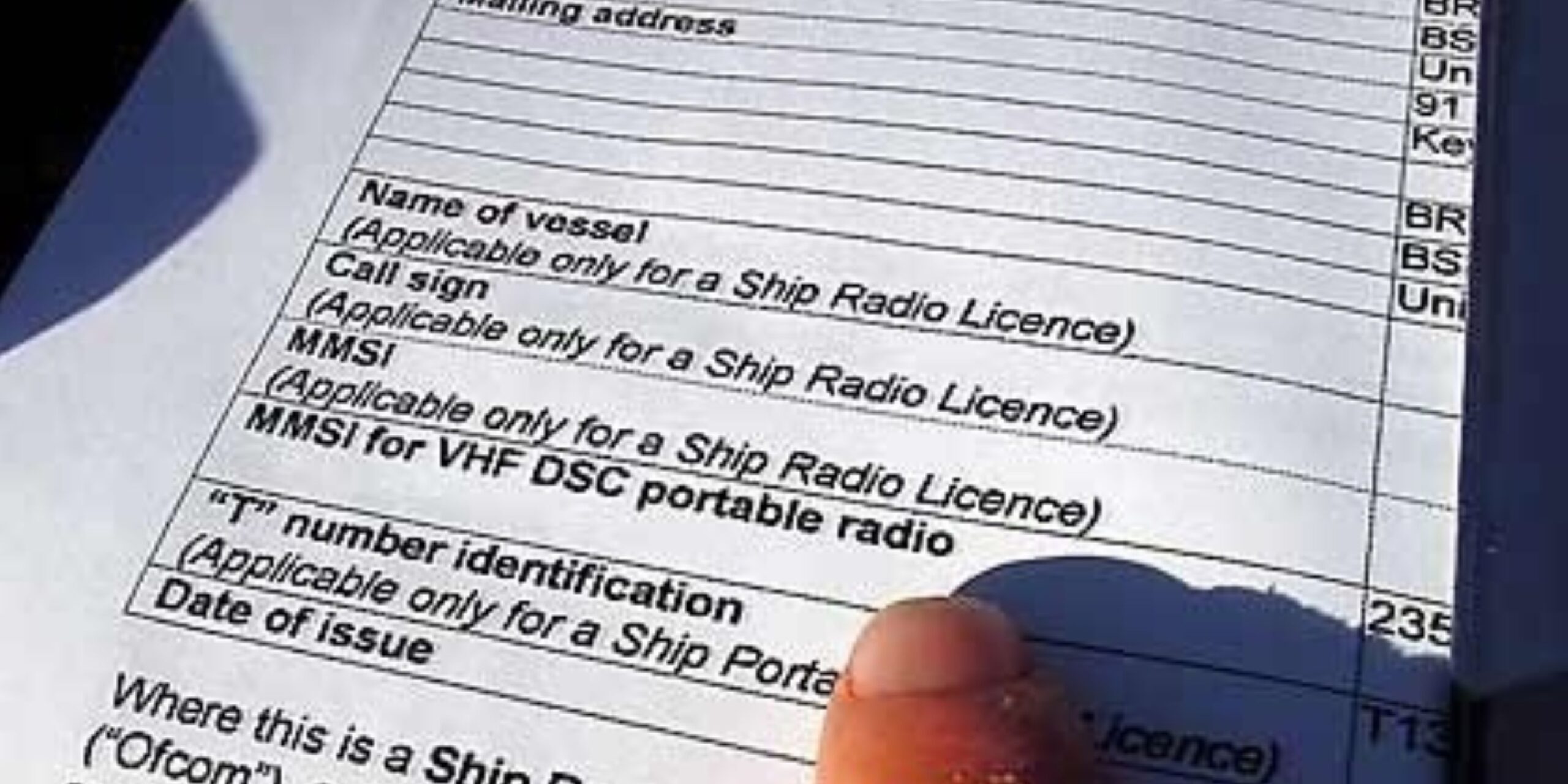
In the United Kingdom, Ofcom issues the Ship Radio Licence along with the vessel’s MMSI number and call sign. This single licence authorises equipment such as fixed VHF, handheld VHF, AIS, radar, and EPIRB devices fitted to a UK-registered boat.
Who Typically Needs a UK MMSI Licence
A UK MMSI registration generally applies to private yacht owners planning coastal or offshore cruising, sailing vessels that need reliable communication on longer passages, motorboats fitted with VHF radios and DSC functionality, and commercial operators running marine communication systems daily. If your vessel carries any DSC-capable radio equipment, register the correct MMSI before use, since several safety features won’t operate without it.
How the UK Application Process Works
The process usually starts when you submit vessel and ownership details along with a list of equipment on board. Ofcom then reviews the application and verifies the information you provided, and once it approves the request, it assigns and issues the MMSI number and call sign on the licence. The final step falls to you as the owner: you program the assigned MMSI into each compatible device before relying on it at sea.
Ofcom charges nothing for most private recreational applications made directly through its online portal, and the licence generally remains valid for the working life of the vessel. Selling the boat means surrendering the licence, since the MMSI stays with the vessel rather than the individual owner.
The Polish MMSI Radio Licence Explained
Poland’s maritime radio licensing runs through UKE (Urząd Komunikacji Elektronicznej), the national Office of Electronic Communications. Any vessel registered under the Polish flag must hold a licence that UKE issues specifically; a licence from another country’s authority, including the UK’s Ofcom, cannot cover a Polish-flagged boat.
Documents Needed for a Polish MMSI Application
A complete Polish application typically requires:
- The boat’s make, model, year, and length, along with the vessel registration number Poland issued
- The owner’s full name and address, plus radio operator details where different from the owner
- A full equipment list, covering items such as VHF, AIS, EPIRB, and radar
Unlike the UK’s digital system, Poland still relies on original, hand-signed paperwork that you send by registered post or courier, since email scans do not meet the requirement.
What Happens After You Apply
Once UKE receives a complete application, the authority verifies your vessel and ownership details before issuing the licence. A Polish MMSI stays valid for a maximum of ten years, after which you must renew it, and every Polish number begins with the prefix 261, marking the vessel as flagged in Poland. The international MMSI database recognises the finished licence and MMSI record worldwide, so the vessel remains identifiable well beyond Polish waters.
UK vs Polish MMSI Licence: Key Differences
While both licences serve the same safety purpose, the practical experience of applying is quite different:
- Application format: the UK uses a fully online portal, while Poland requires original signed paperwork sent by post.
- Processing time: UK applications can often be completed within days; Polish applications commonly take several weeks.
- Licence validity: UK licences generally last for the vessel’s lifetime, whereas Polish licences expire after ten years and require renewal.
- MMSI prefix: Polish numbers always start with 261, while UK numbers carry their own distinct maritime identification digits.
Common Mistakes That Delay an Application
A few recurring issues slow down MMSI applications in both countries. Leaving equipment off the application form is a frequent one, since it forces the authority to chase you for the missing details before issuing the licence. Assuming an MMSI transfers automatically after re-flagging a vessel causes similar trouble, when in fact you always need a fresh licence from the new flag state. Sending UKE an unsigned form or an emailed scan instead of the required original paper document creates further delays, and so does submitting incomplete ownership or vessel registration details.
Working with an experienced registration service can help you avoid these errors and keep the application moving smoothly, particularly for the paper-based Polish process.
Frequently Asked Questions
What equipment requires an MMSI number? VHF radios with DSC, AIS transponders, EPIRBs, and radar systems commonly rely on a registered MMSI to function correctly and to share accurate vessel information.
Can I use a UK MMSI on a Polish-flagged vessel? No. The licence and MMSI stay tied to the vessel’s flag state, so a Polish-registered boat needs a licence from UKE, regardless of any existing UK licence.
How long does a Polish MMSI application take to process? Once UKE receives your complete, correctly signed paper application, processing commonly takes several weeks before you receive the licence and MMSI.
Is the UK MMSI licence free to obtain? Ofcom charges nothing for most private recreational applications submitted directly through its online portal, though it’s worth confirming current terms for specific equipment or commercial vessels.
What documents do I need for a Polish MMSI application? You’ll generally need the vessel’s registration number, owner details, radio operator information, and a full list of onboard communication equipment such as VHF, AIS, and EPIRB.
Does the MMSI number stay valid if I sell my boat? The MMSI and call sign typically stay attached to the vessel. The new owner applies for a licence under their own name and usually keeps the same call sign and MMSI.