Benefits of Registering a Boat in the UK
International Recognition
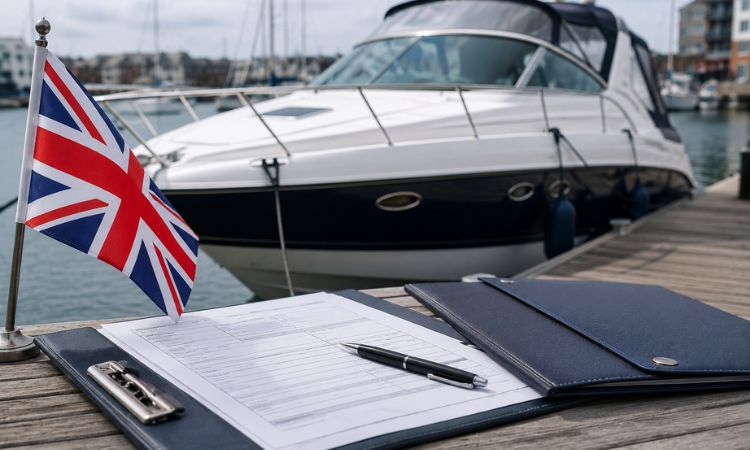
The British flag remains one of the most respected maritime flags worldwide. Operating under a recognized UK flag state can improve confidence among ports, marinas, insurers, and maritime authorities.
This international acceptance makes UK yacht registration an attractive option for owners planning long-distance cruising or overseas operations.
Ownership Protection
The British boat registry maintains official ownership records and vessel details. These records help protect owners while simplifying future transactions such as refinancing, sales, or boat ownership transfer procedures.
A properly documented vessel often inspires greater confidence among buyers and marine service providers.
Suitable for Different Vessel Types
The registration system supports various vessel categories, including private yachts, commercial vessels, charter boats, and recreational pleasure craft. This flexibility allows owners to choose registration solutions that match their intended use.
Required Documents for UK Boat Registration
Documentation requirements may vary depending on vessel type and registration category. However, most applications require several key documents.
Step 1 – Proof of Ownership
Ownership documents establish legal possession of the vessel and confirm the applicant’s right to register it.
Step 2 – Vessel Information
Applicants typically provide vessel specifications, including dimensions, identification details, engine information, and construction data.
Step 3 – Identity Verification
Valid identification documents help verify ownership and ensure accurate registration records.
Step 4 – Supporting Certificates
Certain vessels may require additional certificates depending on their intended use and operational category.
Step 5 – Application Submission
After preparing all required documents, owners can submit their application for review and approval.
Importance of Yacht Documentation
Accurate Yacht Documentation plays an important role in maintaining legal ownership and ensuring compliance with maritime regulations. Missing or incorrect records can create complications during inspections, ownership transfers, marina entry procedures, and international voyages.
Proper vessel documentation also helps owners maintain organized records throughout the vessel’s operational life.
Owners who maintain complete documentation often experience fewer delays when dealing with maritime authorities or conducting future transactions.
Maritime Compliance and Vessel Licensing
Maintaining Maritime Compliance involves more than simply registering a vessel. Owners must ensure that their vessels continue to meet applicable legal and operational requirements.
Depending on vessel type and intended use, owners may also require Vessel Licensing, marine licensing approvals, and ongoing compliance reviews.
These requirements help ensure safe operation while supporting legal use under the British flag.
For commercial operators, additional obligations may apply depending on business activities and operational areas.
Radio Licensing and Marine Communication Requirements
Many vessels require Radio Licensing before using marine communication equipment legally. Licensed systems improve safety by enabling communication with ports, navigation authorities, emergency responders, and nearby vessels.
Radio equipment plays a vital role in safe navigation and emergency preparedness, particularly during offshore operations and international voyages.
Maintaining proper communication licensing helps owners remain compliant while supporting safe maritime operations.
Ownership Transfer and Marine Registry Records
Accurate registration records simplify Ownership Transfer procedures and help maintain legal continuity throughout a vessel’s lifetime.
The Marine Registry serves as an official record of ownership and vessel information. Buyers often prefer vessels with complete documentation because it reduces uncertainty and supports smoother transactions.
Well-maintained records can also contribute to stronger resale value and increased buyer confidence.
Charter Approval and Safety Certification
Some vessels require additional approvals depending on how owners intend to use them.
Commercial operators may need Charter Approval before conducting specific business activities. Similarly, certain vessels may require Safety Certification to demonstrate compliance with operational and safety standards.
Meeting these requirements helps owners maintain yacht compliance while operating legally within their intended category.
Understanding these obligations early can prevent delays and simplify future operations.